
For more than a century, refuelling a vehicle has followed the same basic routine. Drivers travel to a dedicated service station, fill up in a matter of minutes and continue their journey.
Electric vehicles are changing that model. Unlike petrol or diesel vehicles, EVs do not rely on a single destination for refuelling. Instead, charging can happen in many different places throughout the day, at home, at work, while shopping or on the street.
This represents a fundamental shift in the way transport infrastructure is planned. Rather than building more large fuel stations, the future of charging is moving towards distributed networks that bring charging closer to where people already spend their time.
From Centralised to Distributed
Traditional fuel stations are centralised. Drivers must travel to them because fuel can only be delivered through specialised infrastructure. Electricity works differently. Power already exists throughout our cities and suburbs. Streets, shopping precincts, transport hubs, workplaces and residential neighbourhoods are all connected to the electricity network.
This means charging infrastructure can be integrated into existing locations instead of requiring entirely new destinations. Rather than asking drivers to change their routine, distributed charging networks fit into the routine they already have.
Charging Becomes Part of Everyday Life
One of the greatest advantages of EV charging is that it happens while people are doing something else. Instead of waiting specifically to refuel, drivers can charge while working, enjoying a meal, shopping, exercising or simply parking near home overnight.
This changes the way people think about energy. Charging becomes less of a separate task and more of a background activity that fits naturally into everyday life.
As charging opportunities become more widely distributed, drivers gain greater flexibility and convenience without needing to make dedicated trips.
Why Distribution Matters
As EV ownership grows, relying solely on a small number of large charging hubs may not be enough. Communities need charging infrastructure that is accessible, local and capable of supporting different lifestyles.
This is especially important for people who do not have access to home charging, including apartment residents, renters and households that rely on street parking. A distributed charging network provides more opportunities to charge closer to home, reducing travel time and improving convenience for everyday drivers.
It also helps spread demand across multiple locations rather than concentrating it in a handful of charging sites.
Existing Infrastructure Creates New Opportunities
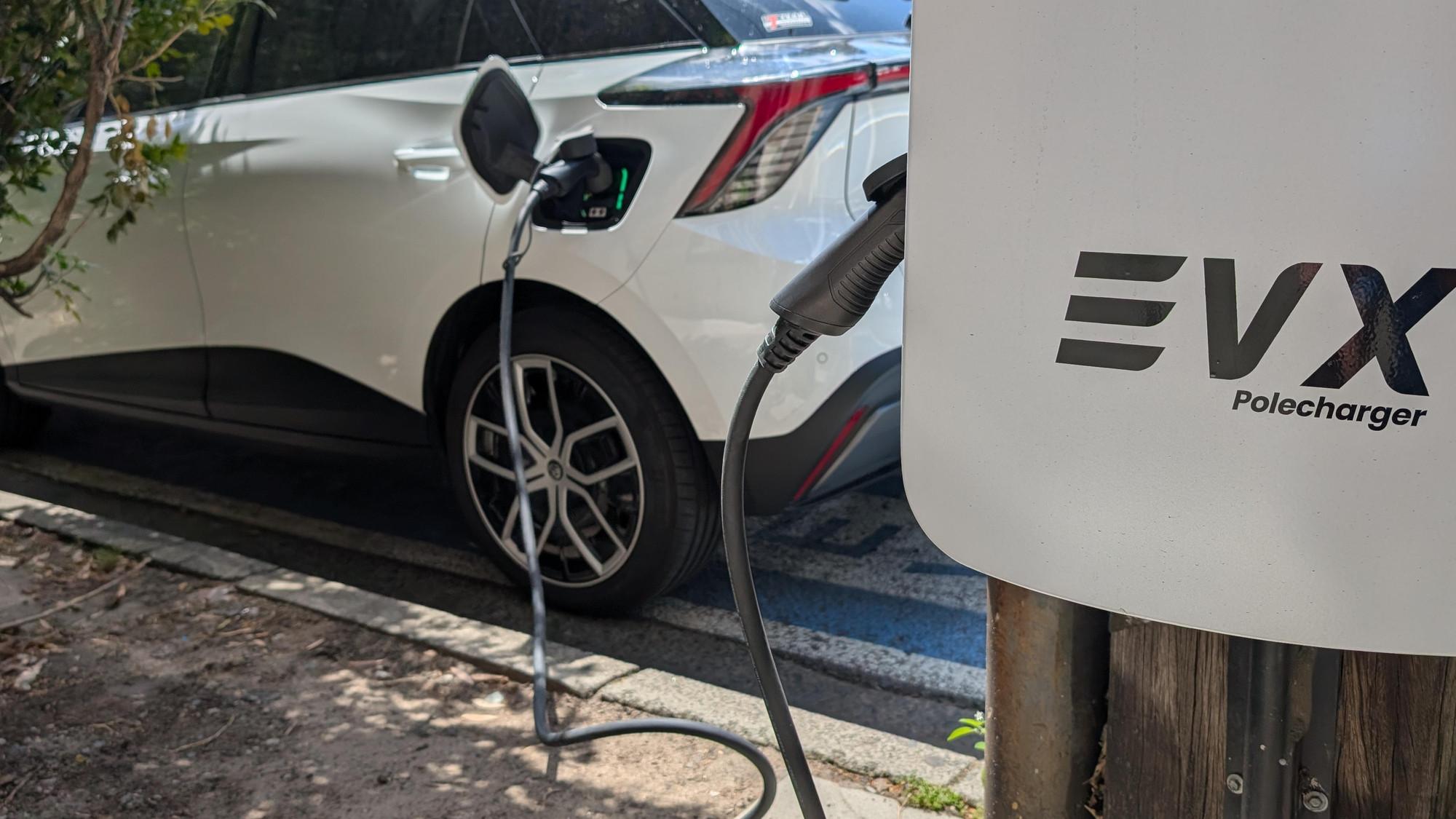
One of the biggest advantages of distributed charging is that it can make use of infrastructure already present in our communities. Instead of building entirely new structures, existing assets such as power poles can help deliver charging where it is needed most.
This approach can reduce installation complexity while allowing charging infrastructure to blend naturally into existing streetscapes. Communities benefit from improved charging access without significantly changing the character of local neighbourhoods.
At EVX, this distributed approach sits at the heart of every EVX polecharger. Rather than concentrating charging in large dedicated locations, EVX polechargers are designed to bring charging closer to where people already park.
Each site is selected using real world data, community demand and local parking patterns to maximise accessibility and utilisation. Because the chargers utilise existing power poles, installation can often be completed efficiently while minimising disruption to surrounding areas.
Powered by 100% renewable energy and designed and manufactured in Australia, EVX polechargers help expand public charging networks in a practical, scalable way.
As Australia’s EV population continues to grow, charging infrastructure will become an increasingly important part of everyday public infrastructure.
Just as street lighting, public transport and telecommunications networks have evolved alongside growing communities, charging networks must also adapt to changing transport needs. Distributed charging provides a flexible model that can expand alongside demand while making better use of existing infrastructure.
It creates opportunities for councils, businesses and communities to support EV adoption without requiring entirely new urban layouts. The future of charging is unlikely to revolve around replacing petrol stations with larger charging stations. Instead, it will be built around a connected network of charging locations spread throughout the places people already live, work and visit.
This distributed model makes charging more convenient, more accessible and better suited to everyday life.
For drivers, it means greater flexibility. For communities, it means infrastructure that integrates naturally into existing streets. And for Australia, it represents another important step towards a cleaner, more connected transport future.
At EVX, we’re helping make that future a reality, one EVX polecharger at a time.