
The transition to electric vehicles is well underway across Australia. Every year, more drivers are making the switch, attracted by lower running costs, reduced emissions and an increasingly wide range of EV models.
Today, having one or two electric vehicles on a street might not seem unusual. But what happens when EV ownership becomes the norm rather than the exception? What happens when most households in a neighbourhood own an EV?
It is a question that cities, councils, energy providers and charging operators are already starting to consider.
Because while the future of transport is electric, the infrastructure needed to support that future must be planned well in advance.
EV Adoption Is Continuing to Grow
Australia’s EV market has experienced significant growth over recent years, and that trend is expected to continue.
As more vehicle manufacturers expand their electric offerings and public awareness increases, EV ownership is becoming increasingly accessible to everyday drivers.
With every new EV purchased comes an additional demand for charging. Initially, this demand is relatively easy to accommodate. Most early adopters charge at home, while public charging networks provide support when travelling or topping up away from home.
However, as adoption grows, charging needs also grow.
The question shifts from whether people can charge their EVs to whether charging infrastructure can keep pace with demand.
Not Everyone Has Access to Home Charging
Home charging is often considered the ideal solution for EV ownership.
For drivers with a garage, driveway or dedicated parking space, charging overnight is convenient and straightforward.
But many Australians do not have this option.
Apartment residents, renters, townhouse owners and people who rely on street parking often face challenges when it comes to accessing reliable charging.
As EV ownership expands, these households will represent an increasingly important part of the market.
If entire streets begin transitioning to electric vehicles, access to convenient public charging will become essential.
The Growing Importance of Kerbside Charging
Imagine a typical suburban street where most residents drive electric vehicles but many park on the street.
Without accessible charging infrastructure nearby, drivers may need to travel elsewhere simply to charge their vehicle. This creates inconvenience and can discourage EV adoption.
Kerbside charging helps solve this challenge by bringing charging closer to where people already park.
Rather than requiring large dedicated charging stations, pole mounted charging infrastructure can utilise existing streetscapes and provide convenient access within residential areas.
As EV ownership grows, charging near home will become increasingly valuable for many communities.
Public Charging Is About More Than Energy
One of the biggest misconceptions about public charging is that it only serves drivers who cannot charge at home.
In reality, public charging plays a much broader role.
Visible charging infrastructure helps build confidence among both current and future EV owners. It reassures drivers that charging is available when needed and reduces concerns around accessibility and range.
Even drivers who primarily charge at home benefit from knowing public charging options exist nearby.
As more EVs appear on local streets, this visibility becomes increasingly important.
Planning Ahead Matters
One of the challenges with infrastructure is that demand often arrives faster than expected.
Waiting until every street needs charging can create delays, higher costs and more complex deployment challenges.
That is why planning ahead is so important.
Successful EV infrastructure requires consideration of electrical capacity, suitable locations, community demand and future growth.
At EVX, site selection is driven by real world data, helping identify locations where charging is likely to provide the greatest benefit to drivers and communities.
This proactive approach helps ensure infrastructure is available where it is needed most.
Supporting Future Communities
The future of EV charging is not simply about installing more chargers.
It is about creating a network that supports the way people actually live.
Communities need charging solutions that are practical, reliable and integrated into existing streets and neighbourhoods.
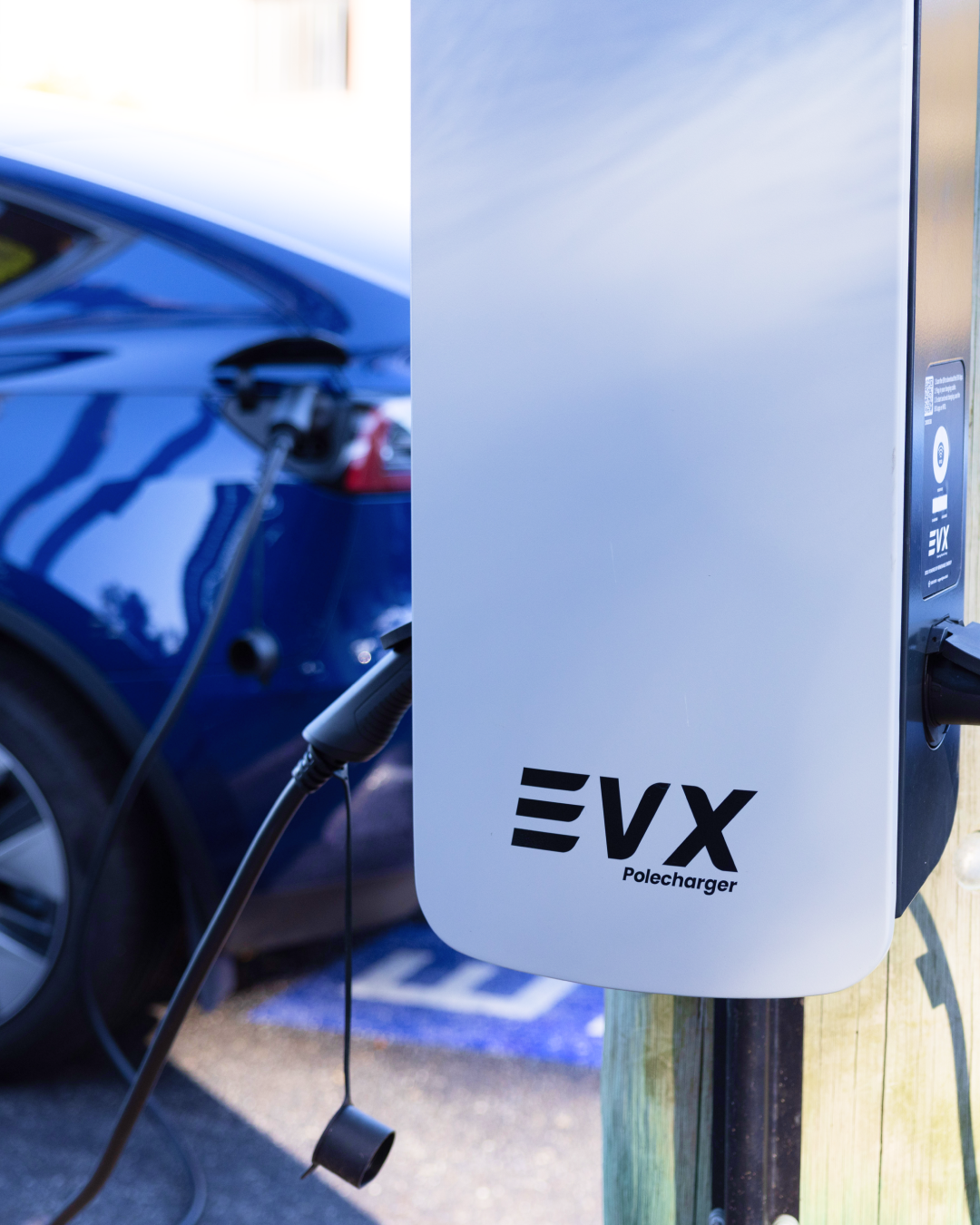
EVX polechargers are designed with this in mind. By utilising existing power poles and infrastructure, they help bring charging closer to homes while minimising visual impact and reducing the need for extensive construction.
This creates a scalable solution that can grow alongside EV adoption.
Looking Ahead
The question is no longer whether more Australians will drive electric vehicles.
The question is how communities will support them when EV ownership becomes commonplace.
As more households make the switch, charging infrastructure will become just as important as roads, parking and other essential services.
Planning for that future today helps ensure communities remain accessible, connected and ready for the next generation of transport.
When everyone on your street owns an EV, convenient access to charging will not be a luxury. It will simply be an expectation.
And the communities that prepare early will be best positioned to benefit from Australia’s electric future. To learn more about EVX polechargers and where they are available, visit our website here.